










Water, juice, coffee: what to drink in the heat, and what to avoid
Kyiv • UNN
Heat up to +37°C has arrived in Ukraine. Doctors recommend drinking water, and limiting alcohol, energy drinks, and sweet carbonated beverages.

An anomalous heatwave has arrived in Ukraine from Europe. In the coming days, thermometers in many regions of the country will show +37 degrees. To escape the stuffiness, people are buying up ice cream, ice, and refreshing drinks. But, as doctors warn, not all favorite drinks can be consumed in such weather without harm to health. UNN looked into what you need to drink in the heat to avoid harming your body.
Who needs to maintain the body's water balance
During the summer heat, maintaining a drinking regimen is just as important as protecting your skin from direct sunlight. High air temperatures force the body to cool down more actively through sweating. Along with sweat, a person loses some minerals, including sodium, potassium, and magnesium. If these losses are not compensated, the risk of dehydration, weakness, headache, dizziness, and heat exhaustion increases.
Children, the elderly, pregnant women, people with cardiovascular diseases, kidney diseases, diabetes, as well as those who work outdoors or move around the city a lot during the hottest hours, should be most attentive to maintaining their drinking regimen. A separate risk group includes people who work in rooms with poor ventilation or without it, are in shelters, or are traveling in transport.

Why water is the best choice in the heat
Doctors emphasize: the main drink in the heat should be ordinary drinking water. It helps maintain normal thermoregulation, reduces the risk of overheating, and does not create additional strain on the body. You should drink regularly, in small sips, and not wait for strong thirst. The feeling of thirst may already indicate that the body lacks fluid.
Despite advice in online media and popular magazines about "two liters of water per day," there is currently no universal water norm that would suit everyone equally. The need depends on age, weight, health status, level of physical activity, air temperature, and humidity. On hot days, you usually need more fluid than in cool weather. At the same time, you should not forcibly drink excessive amounts of water, especially for people with heart or kidney diseases. For them, it is better to coordinate the drinking regimen with a doctor.
One simple household guideline that can indicate whether a person is consuming enough fluid is the color of urine. If it is dark yellow, this may be a sign of insufficient fluid intake. If a person drinks water often but experiences severe weakness, nausea, confusion, fainting, or a very high body temperature, medical help is needed.
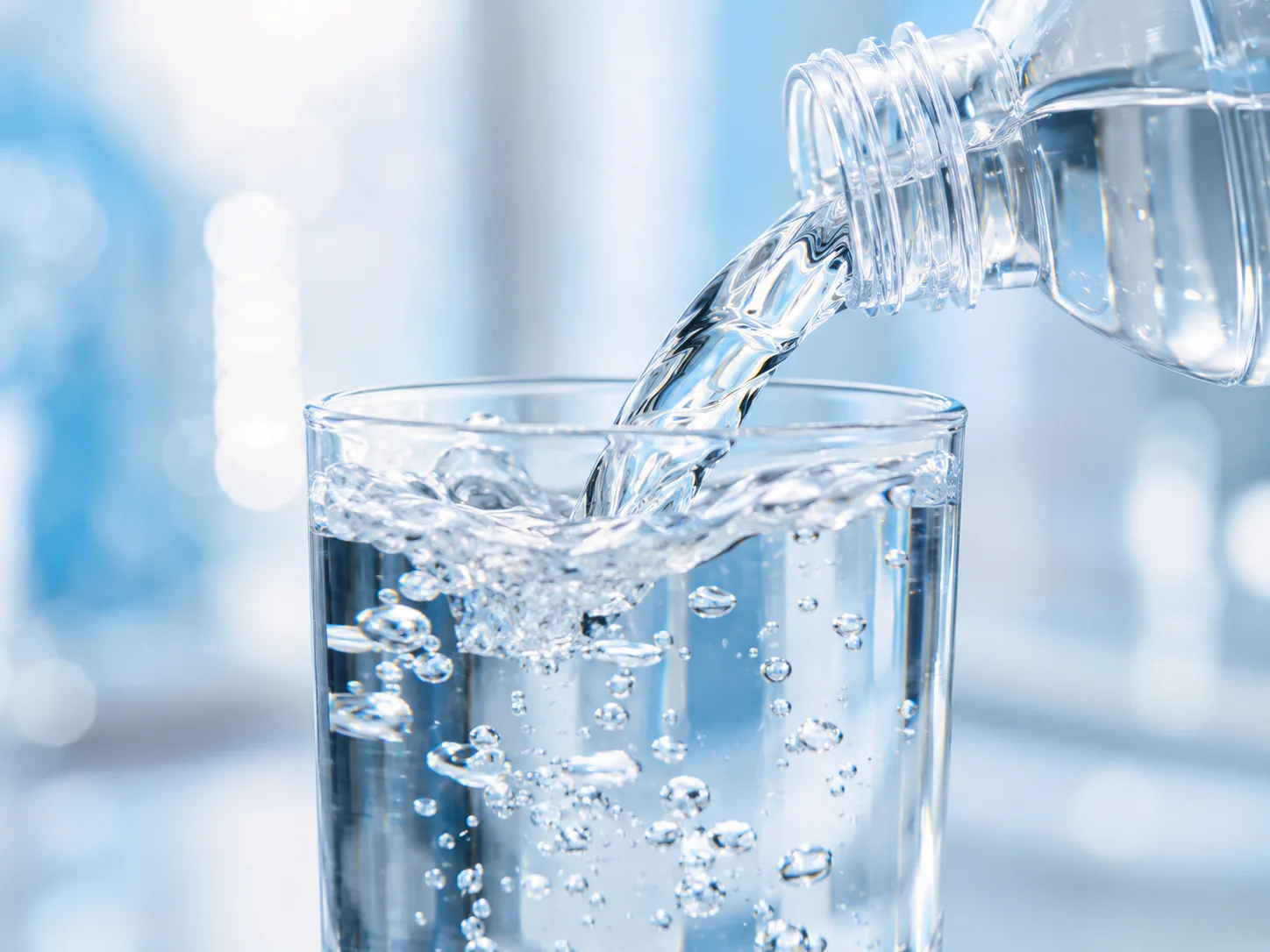
What is the difference between table and therapeutic-table mineral water and when to drink them
Mineral water can also be beneficial, especially when it comes to the loss of salts through sweat. But it is important to distinguish between table and therapeutic-table water.
Table mineral water can be consumed more often, but therapeutic waters with a high mineral content should not be drunk uncontrollably. People with hypertension, kidney disease, heart disease, or a tendency to edema should be especially careful.

Fruit drink, compote, and ayran: what you can drink besides water
In addition to plain water, you can consume in the heat:
- unsweetened compotes;
- fruit drinks without a lot of sugar;
- chilled herbal teas;
- fermented milk drinks;
- ayran;
- kefir.
They will be appropriate if a person sweats a lot or has increased physical exertion.
Note that it is better to prepare homemade drinks without excess sugar. Sweet compote or lemonade can cool you down for a short period. But a large amount of sugar does not help quench thirst properly. After such drinks, you often want to drink even more.
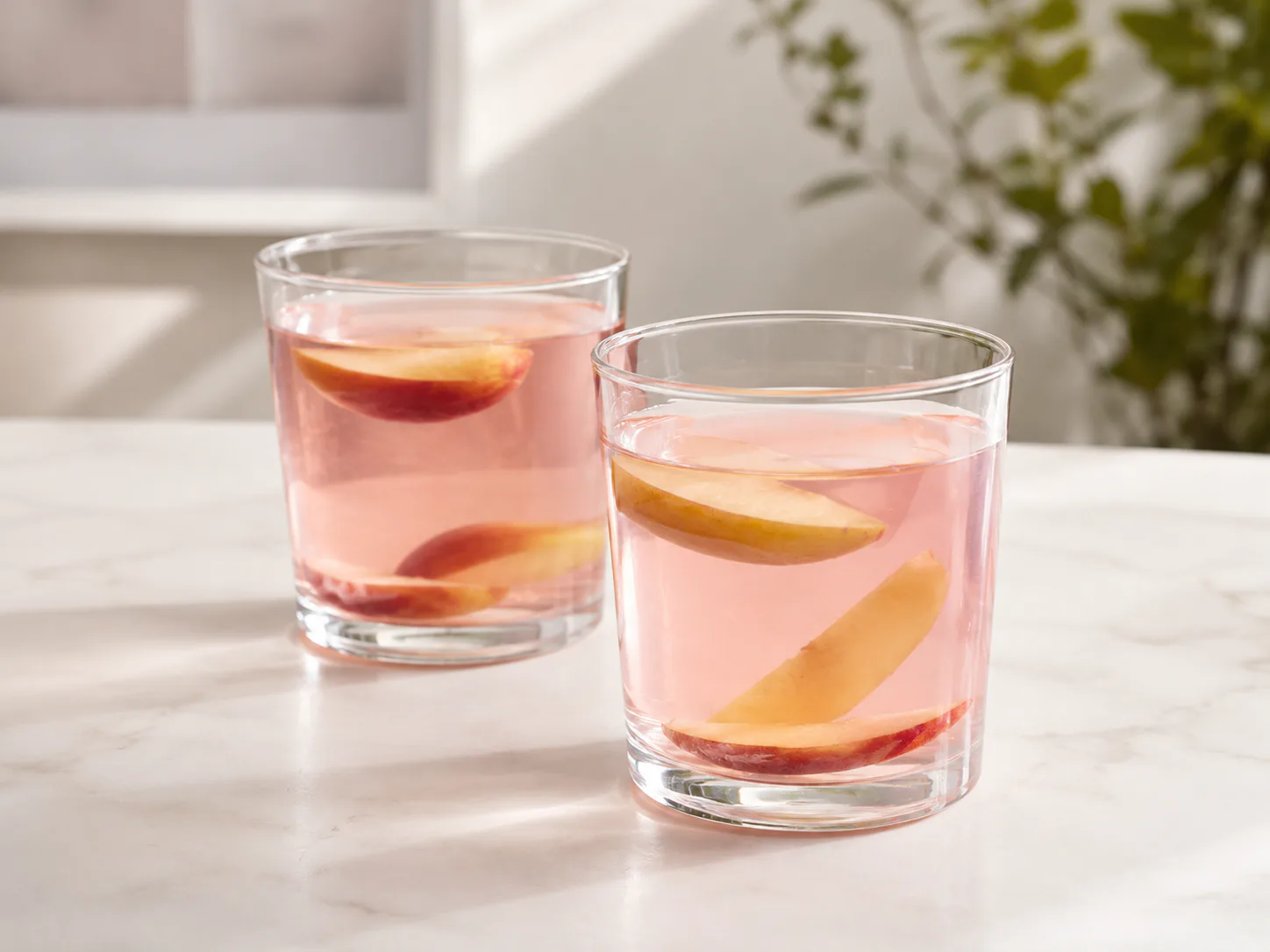
Should you add salt to water?
Doctors emphasize that salt consumption in the heat requires caution.
On the one hand, during intense sweating, the body loses sodium. That is why, after prolonged work in the sun, a workout, or a journey in the heat, drinks with electrolytes or special rehydration solutions can be useful.
But this does not mean that everyone needs to additionally salt their water or sharply increase the amount of salty foods. For most people, a normal diet and regular water consumption are sufficient. Excess salt can increase blood pressure, worsen edema, and create additional strain on the cardiovascular system.
Rehydration solutions should be used in cases where there is significant fluid loss:
- heavy sweating;
- diarrhea;
- vomiting;
- prolonged exposure to heat without the possibility of eating normally.
These fluids are not suitable for daily drinking.
Coffee in the heat: you can drink it, but without overindulgence
The most questions with the onset of the summer season arise among coffee lovers. People want to know if they can continue to consume their favorite drink without risks to the cardiovascular system.
A small amount of coffee is usually not a problem for a healthy person who tolerates caffeine normally and drinks enough water. However, excessive coffee consumption, especially strong coffee, can increase heart rate, anxiety, sweating, and worsen well-being in conditions of high temperature.
In the heat, it is better not to replace water with coffee. If a person has drunk coffee, it does not mean that the need for fluid is fully met. People with high blood pressure, arrhythmias, anxiety states, insomnia, or a tendency to panic reactions should be especially attentive. For them, heat and excess caffeine can be an unfortunate combination.
A separate problem is cold coffee drinks with syrups, cream, and a large amount of sugar. Most people perceive them as a cold drink that should quench thirst and satisfy the body's need for fluid.
However, nutritionists draw attention to the fact that such drinks are essentially sweet desserts. They in no way replace water, but on the contrary: they can further burden the body tormented by thirst.

What is the danger of alcohol in summer
Alcoholic cocktails with ice are one of the worst options to "refresh yourself." Ethanol increases fluid loss, impairs coordination, reduces attentiveness, and dulls the sense of danger. A person may not immediately notice overheating, weakness, or dizziness.
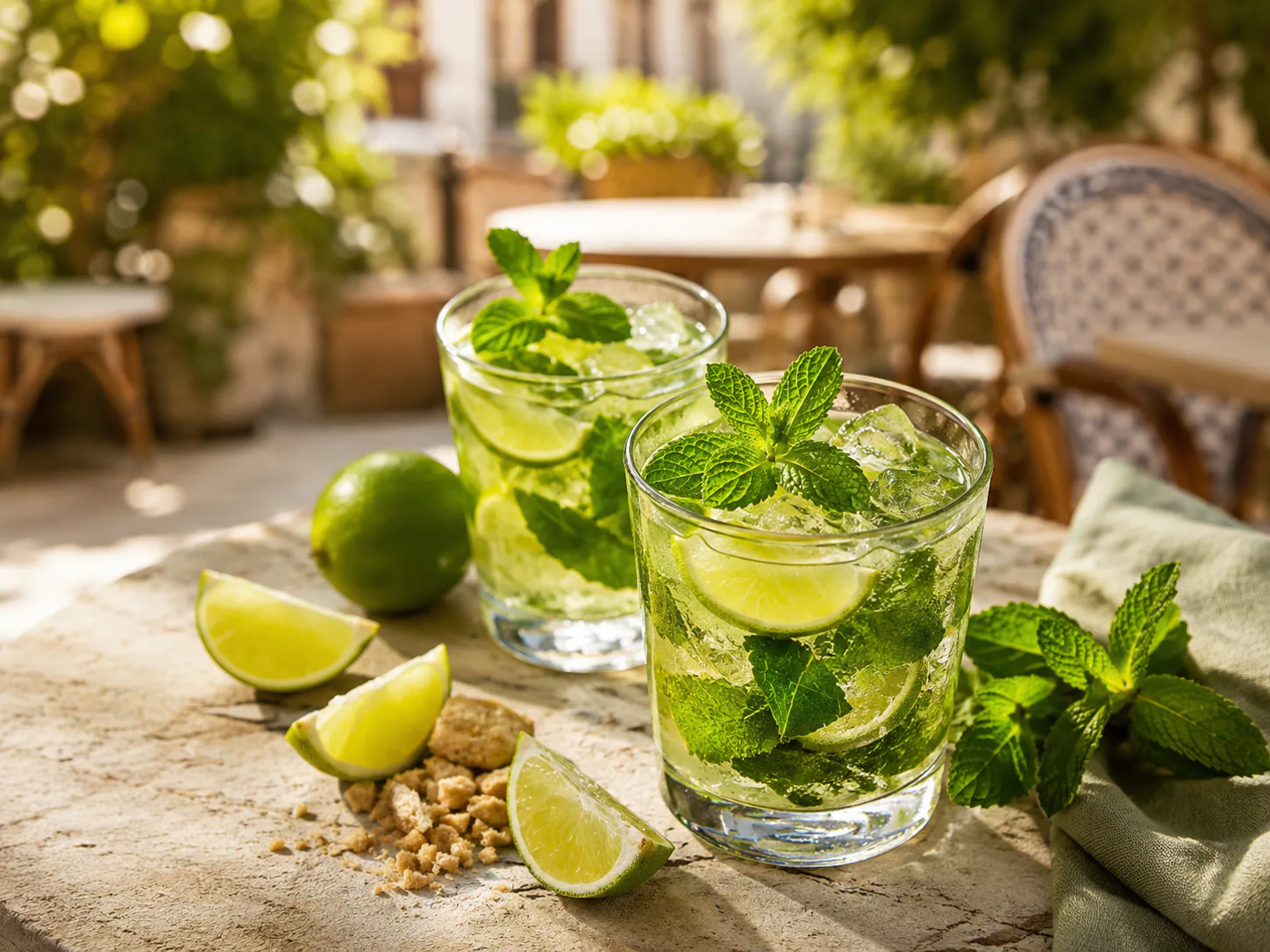
Alcohol is especially dangerous - beer, cool cocktails like "Mojito," gin and tonics, light alcoholic cocktails in bottles from supermarket shelves - on the beach, during trips, outdoor work, active recreation, or being in stuffy rooms.
Even low-alcohol drinks should not be perceived as a safe alternative to water. Beer, cocktails, or cider do not help the body cool down and do not compensate for fluid loss the way water does.
During a period of intense heat, it is better to avoid alcohol or at least significantly limit its consumption. This is especially important for people with chronic diseases, those taking medication, and the elderly.
Sweet carbonated drinks and energy drinks: how to drink them properly in the heat
Sweet carbonated drinks create the illusion of quick refreshment. But they are definitely not the best choice in the heat. Such drinks contain a lot of sugar, can increase thirst, and do not give the body what it needs most - a stable replenishment of water.
Energy drinks in hot weather can be even more problematic. They often contain caffeine, sugar, and other stimulating components. Against the background of heat, they increase heart rate, anxiety, increase the strain on the heart, and worsen well-being. It is especially dangerous to combine energy drinks with alcohol.
Packaged juices should also not be considered a full replacement for water. Due to their high sugar content, it is better to consume them in moderation. If you want flavor, you can add lemon, berries, mint, or cucumber to the water, but do not turn the drink into syrup.

The temperature of drinks also matters
In the heat, many people want to drink ice water. Cold drinks can indeed provide a feeling of relief, but too icy liquid is not suitable for everyone. In people with a sensitive throat, stomach problems, or a tendency to spasms, it can cause discomfort.
The optimal option is cool, but not icy, drinks. They help refresh you and are usually better tolerated. Similarly, you should not consume very hot drinks during a period of intense heat if they worsen your well-being or increase sweating.

How to understand that the body lacks fluid
Signs of dehydration may include:
- intense thirst;
- dry mouth;
- headache;
- weakness;
- dizziness;
- unstable urination;
- dark urine color;
- rapid heartbeat.
In children, additional warning signals include lethargy, crying without tears, dry lips, drowsiness, or unusual irritability.
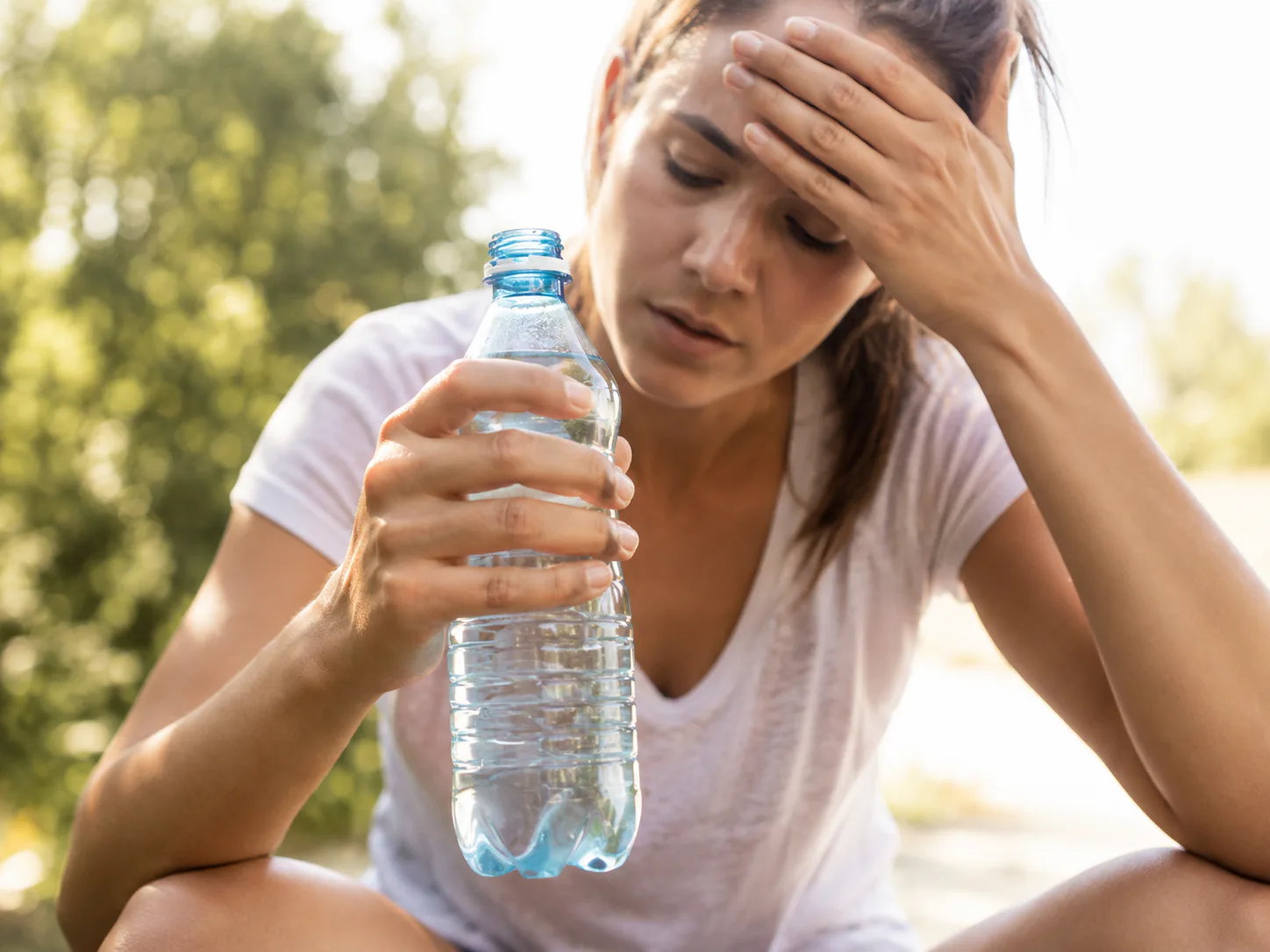
What to do if a person has overheated and become dehydrated
During the heat, prevention works best. You should have water with you on the street, in transport, on the road, at work, and while staying in a shelter. It is better to drink regularly throughout the day, rather than in large volumes at one time.
Water should be the basis of your drinking regimen. Additionally, you can consume unsweetened drinks and foods with a high fluid content, while alcohol, energy drinks, and overly sweet drinks are best limited. Coffee is possible in moderation, but it should not replace water.
If a person has overheated, they need to be moved to a cool place, given water in small sips, have tight clothing loosened, and have their skin cooled with water or wet wipes.
If the condition does not improve, confusion, fainting, vomiting, or a very high body temperature appear, it is necessary to seek emergency medical help.
Reminder
Earlier, we wrote about how to protect yourself from sunstroke. Candidate of Medical Sciences Otto Stoika explained that sunstroke and heatstroke are overheating of the body, but they differ in causes. He emphasized that you also need to cool down correctly: without sharp temperature changes.