









TOP financial mistakes of Ukrainians that constantly lead to a lack of money
Kyiv • UNN
Lack of expense tracking, ignoring subscriptions, and using credit cards as a salary lead to a budget deficit. Experts advise planning goals.

Even with a stable income, many Ukrainians regularly face the same problem: at the end of the month, there is less money than expected, and expenses have exceeded what was planned. People usually complain about low wages, high utility bills, and inflation.
However, quite often the problem lies in a lack of financial literacy and "harmful" financial habits. UNN has compiled the most common ones.
Lack of expense tracking
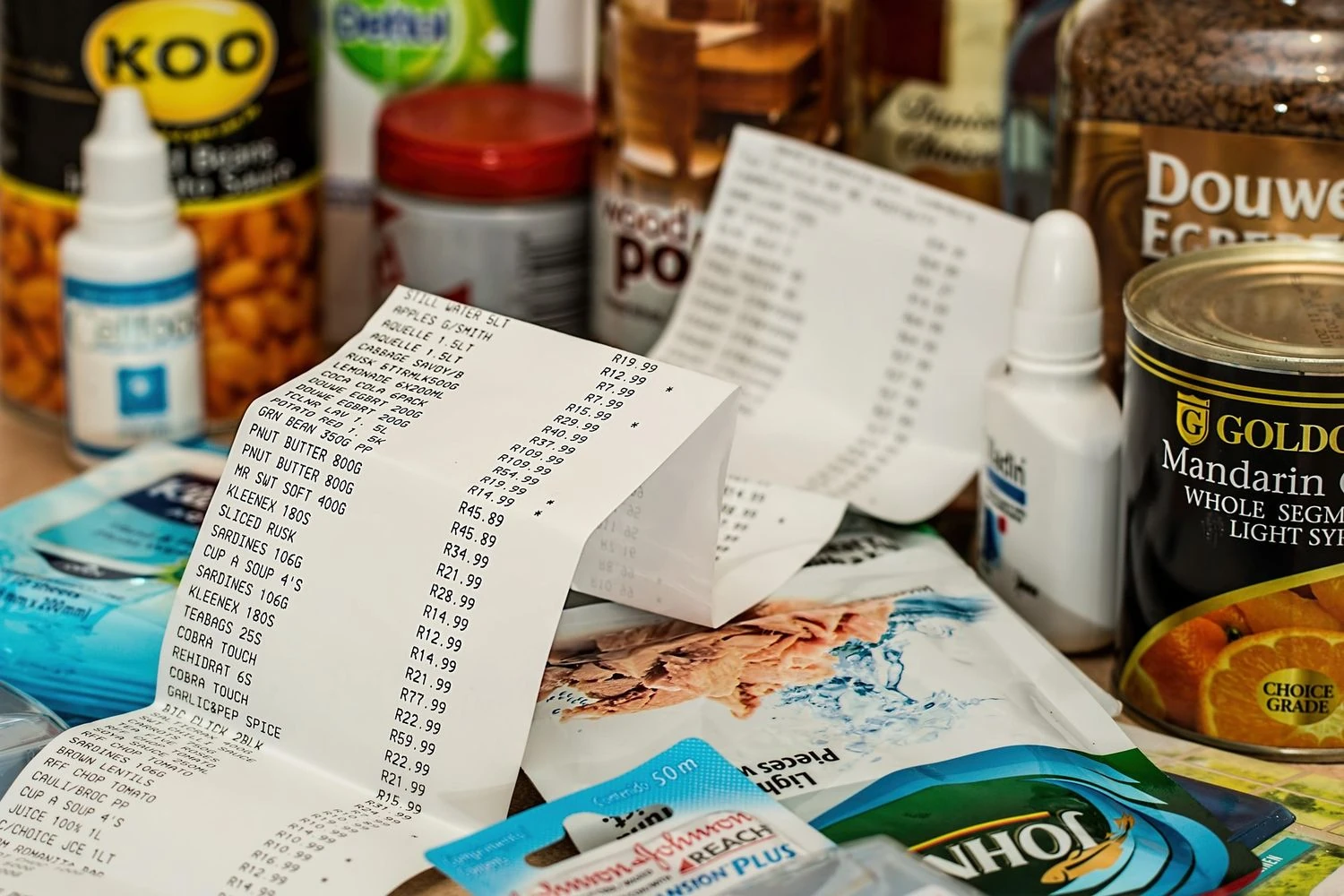
One of the most common mistakes is the lack of a habit to record and track daily expenses. Ukrainians are used to relying only on the balance on their card or cash in their wallet. But, firstly, it is quite difficult to keep all figures in mind. Secondly, often the remaining banknotes or the number on the mobile application screen next to the bank card do not allow one to recall and track small expenses: coffee to go, delivery, taxi, small purchases in a store, subscriptions to phone applications. Each such expense may be insignificant, but if they are repeated daily, a significant amount will "accumulate" by the end of the month.
Without tracking, it is difficult to see which categories exceed the norm, where expenses are unnecessarily repeated, and which habits actually reduce the free balance. Personal finance experts in this case recommend cultivating a new habit: recording daily expenses for at least a few months. This will answer the question: "Where does the money really go?" and also help to understand if there is a difference between monthly income and expenses.
This can be done both in special planner notebooks and simply in a notepad or mobile application.
Ignoring small regular payments
Another typical mistake is underestimating regular debits. These can be subscriptions to video services, music platforms, mobile applications, cloud storage, bank fees, paid service packages, automatic donations, insurance products that were connected "just in case".
And some of these expenses cease to be conscious. A person no longer uses the service but continues to pay for it. Or does not check if it is possible to switch to a cheaper tariff. To avoid losing money, you need to review all automatic debits from your card at least once a month and disable unnecessary ones.
Shopping without a list and without a limit
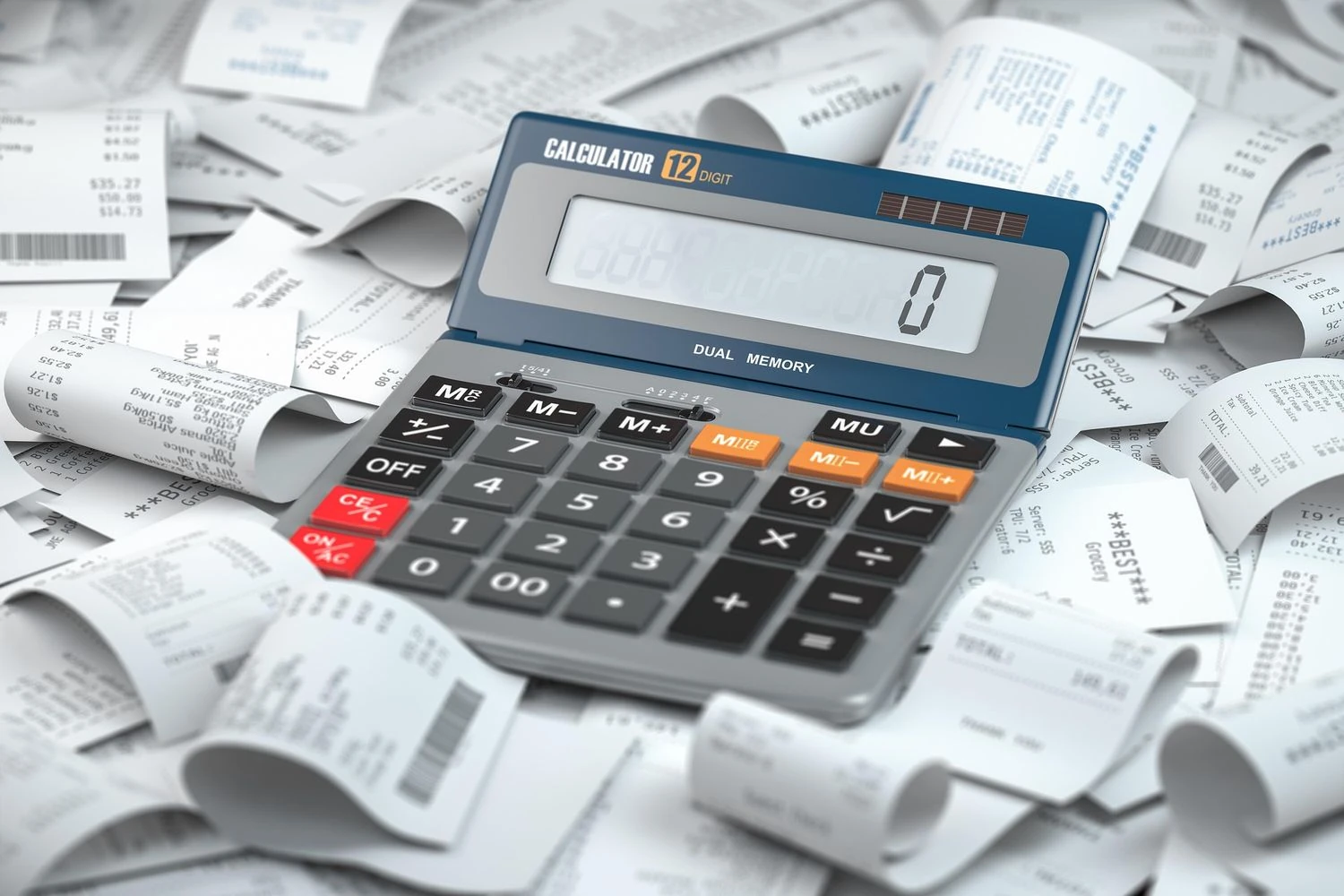
Expenses for groceries and household goods often exceed what was planned due to the lack of a shopping list. A person goes to the store with a rough idea of their needs, and at the checkout, they receive a bill higher than expected. Promotional items, unnecessary items, duplicates of what is already at home, impulsive snacks, drinks, and household trifles are added.
A separate problem is going to the store without a set limit. If the weekly budget is not defined, expenses quickly "blur". Some Ukrainians also do not plan purchases in advance and therefore buy more expensively: they do not monitor prices in different chains, do not form a basic stock of long-term storage goods, and do not separate daily purchases from weekly ones.

Mixing essential expenses and free money
A common mistake is to keep all funds in one place and spend them without categorizing them. In this case, rent, utility bills, groceries, medical treatment, transportation, household expenses, and entertainment all fall into one virtual "financial basket." As a result, money that should have gone to essential needs may be spent on another category. And at the end of the month, the person will be forced to borrow money from acquaintances, use a credit card, or take out a microloan.
Therefore, planning should begin with fixing mandatory payments.

Using a credit card as an "additional" salary
For Ukrainians, a credit card often turns into a spare wallet. Gradually, the line between own and borrowed funds blurs, and a person spends more than they earn, but does not immediately notice it. This is one of the most common reasons why debt burden grows even for those with a stable income.
The habit of covering daily expenses with a credit card is especially dangerous: food, delivery, cosmetics, small purchases, clothes, trips. If the card is used not to cover emergency expenses, but to constantly maintain the usual level of consumption, debts are inevitable. Interest, minimum payments, overdue payments, and new expenses for debt servicing are added to them.
Lack of a financial cushion
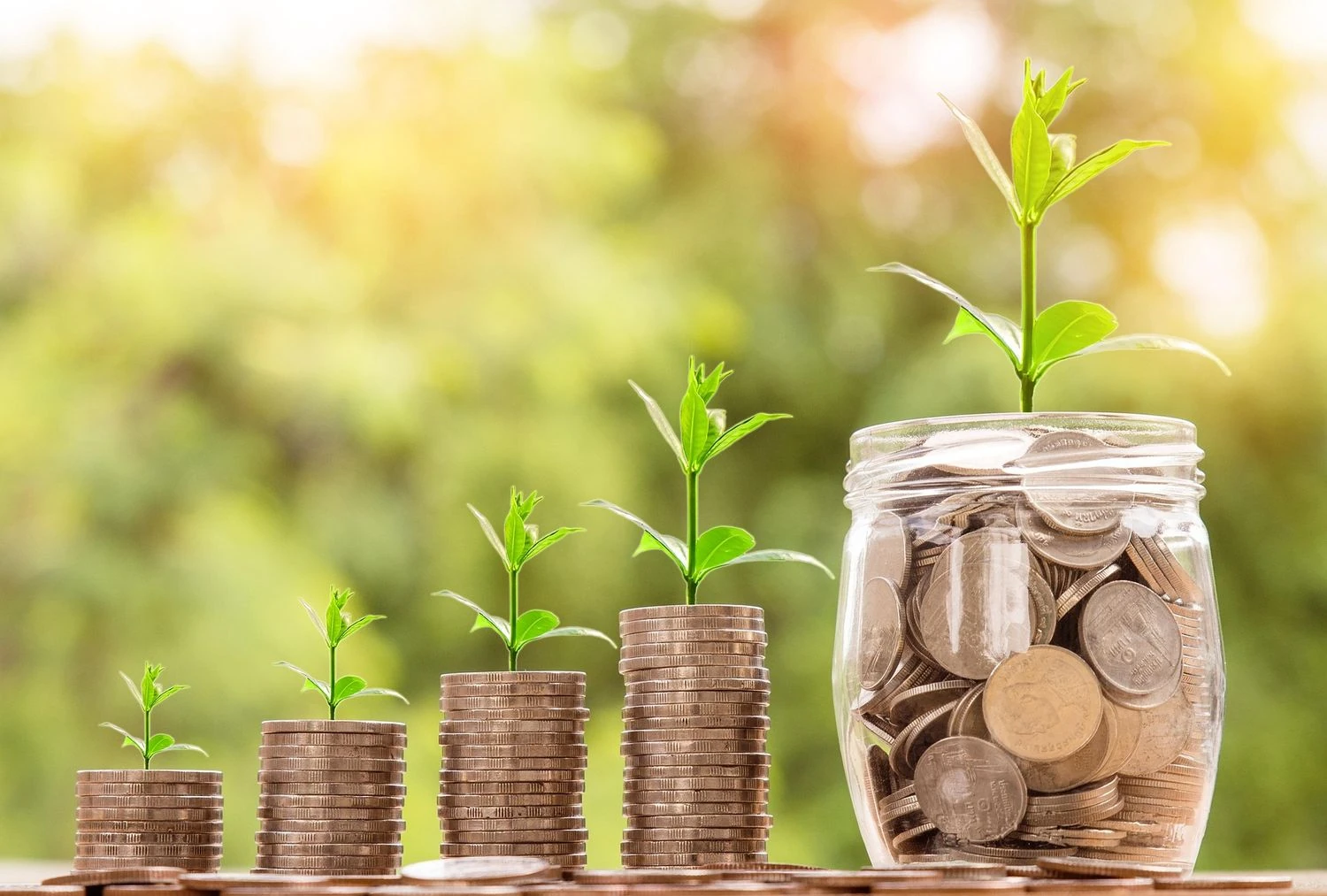
According to many financial experts, Ukrainians still lack the habit of working daily to form a financial "safety cushion." That is why personal finances become vulnerable to any extraordinary and unplanned event: illness, dismissal, salary delays, household appliance breakdowns.
When there is no reserve, a person is forced to take money from a credit card, borrow, delay mandatory payments, or spend funds set aside for other purposes. Even a small financial cushion reduces this risk. It does not solve all problems, but it allows one to get through a short difficult period without new debts.
Underestimation of irregular expenses
Another "bad" financial habit is not taking into account expenses that do not occur monthly when planning a budget: seasonal clothing, gifts, school expenses, car maintenance, dental treatment, course fees, taxes for individual entrepreneurs, minor apartment repairs, purchase of household appliances, preparation for the heating season.
A person plans only the current month and does not look at the year as a whole. It is more rational to form a fund for irregular expenses separately and set aside a fixed amount there every month.
Impulsive purchases under the influence of emotions
People make some expenses not out of real need, but due to fatigue, stress, the desire to quickly get a positive emotion, or relieve tension. These can be food orders, spontaneous online shopping, promotional items that were not needed, expensive trifles "for mood," purchases at night or after a difficult working day.
If such a behavior pattern becomes habitual, it begins to regularly "eat away" at the budget. Most often, a person does not consider the expense significant, because each payment is small. But in the monthly total, this puts a serious strain on finances.

Lack of financial goals
A financial goal should be specific: a three-month living reserve, dentistry, renovation, a new laptop, education, a down payment on a home, debt repayment. When the goal is clearly formulated, it is easier to separate the essential from the secondary and track progress.

Ignoring price and tariff reviews
Another mistake is not checking for years how much the services a person constantly uses actually cost. This applies to mobile communications, internet, banking services, utility services, insurance, delivery, household services. Often, the consumer continues to pay according to the old tariff, although there are already more favorable conditions on the market.
The same applies to large purchases. Some people do not compare prices between stores, do not check promotions, and do not take into account cashback or delivery costs.
The "I'll start next month" mistake
Financial changes are often postponed. People plan to start budgeting after their next paycheck, after holidays, after vacation, from the new month, or from the new year. During this time, the spending pattern does not change, and problems accumulate. As a result, a person remains longer in a situation that they themselves assess as inconvenient or risky.
Experts explain: in personal finance, procrastination also costs money. The sooner a person starts recording expenses, limiting debts, reviewing subscriptions, setting aside reserves, and planning large payments, the faster and easier it becomes to manage their own budget.