









Pan-European anti-ballistic shield – who supported the FREYJA project?
Kyiv • UNN
Ukraine is negotiating Denmark's involvement in the FREYJA project – a joint European anti-ballistic system. The project has already received support from Germany, has technological partners and implementation timelines.

Ukraine continues to involve European partners in the FREYJA project – a ballistic missile interception system. After talks with the newly appointed Danish Defense Minister Jeppe Bruus, Ukrainian Defense Minister Mykhailo Fedorov reported that the country could become one of the participants in the future consortium, writes UNN.
"We talked about the anti-ballistic program, which is a priority for us. And potentially Denmark could be one of the member-partners in creating this consortium of European Union countries to develop their own anti-ballistic system," said Minister Fedorov.
Separately, Fedorov emphasized that FREYJA is considered a project to protect not only Ukraine but also all of Europe.
"This could be the first large-scale project to produce anti-ballistic systems. Therefore, we are moving forward with launching this project. We hope that Denmark will also join this consortium," he stated.
The countries also discussed launching a joint Denmark-Brave1 platform for the development of defense innovations and further support for Ukraine's priorities identified at Ramstein, particularly the development of long-range capabilities and unmanned systems.
What is already known about FREYJA
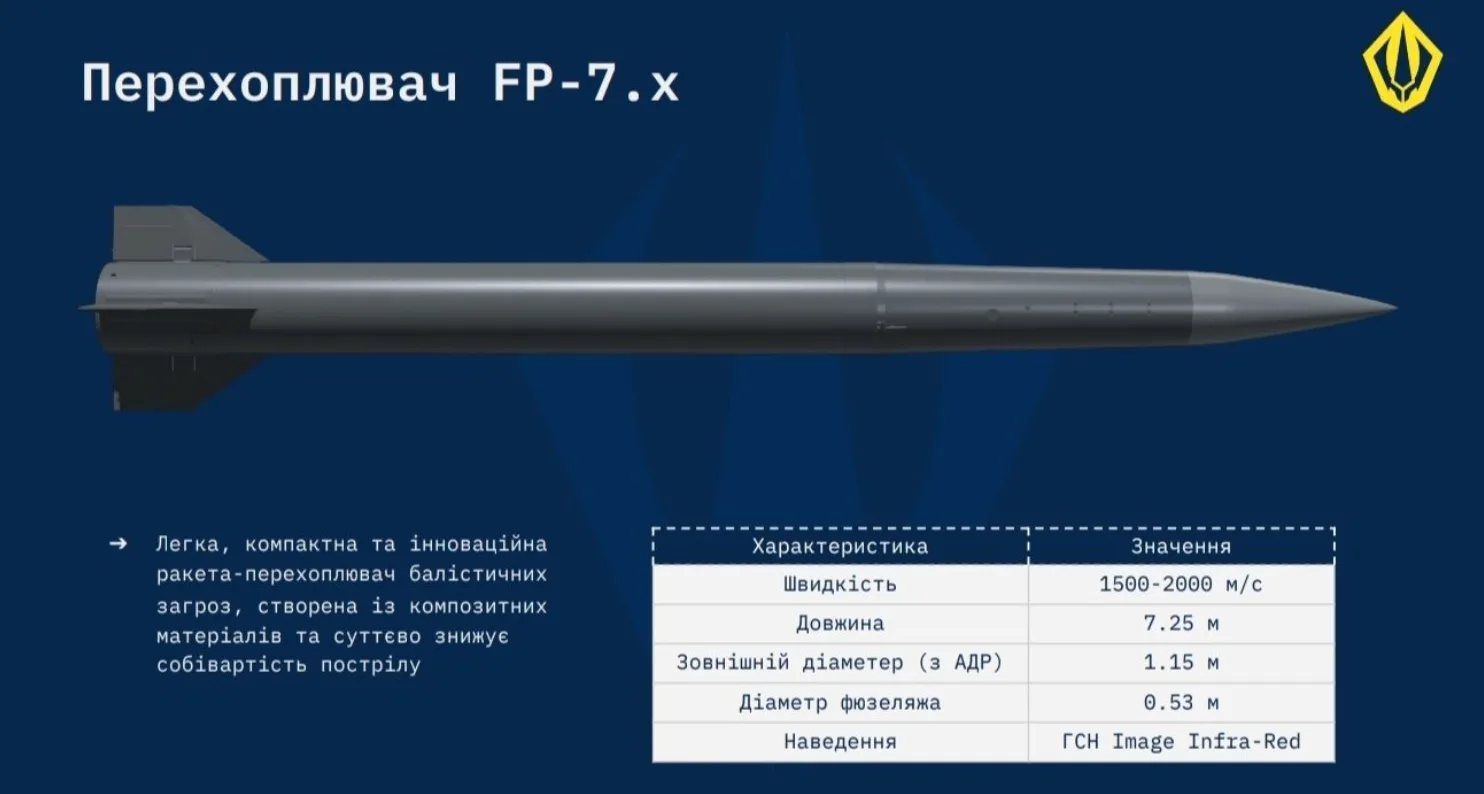
The general contractor of the FREYJA anti-ballistic system project is the Ukrainian company Fire Point, which is responsible for developing the system, producing FP-7.x interceptor missiles, launchers, control systems, and integrating key components of the complex.
One of the first international partners was the German company HENSOLDT. It will be responsible for the production, testing, and supply of radar systems, as well as their integration into the complex. The key element will be the multifunctional TRML-4D radar, built on AESA technology, capable of simultaneously detecting and tracking up to 1,500 air targets of various types.
HENSOLDT called the cooperation on FREYJA an important step to strengthen European capabilities in the field of missile defense. The company noted that Ukraine's experience in creating new defense solutions under conditions of full-scale war will be combined with German radar technologies, production capabilities, and system integration expertise.
According to Fire Point co-founder Denys Shtilerman, provided that procedures in partner countries are completed quickly, the first interceptor missiles could be ready by the end of 2026. The developers' next goal is to conduct the first interception of a ballistic target by the end of 2027.
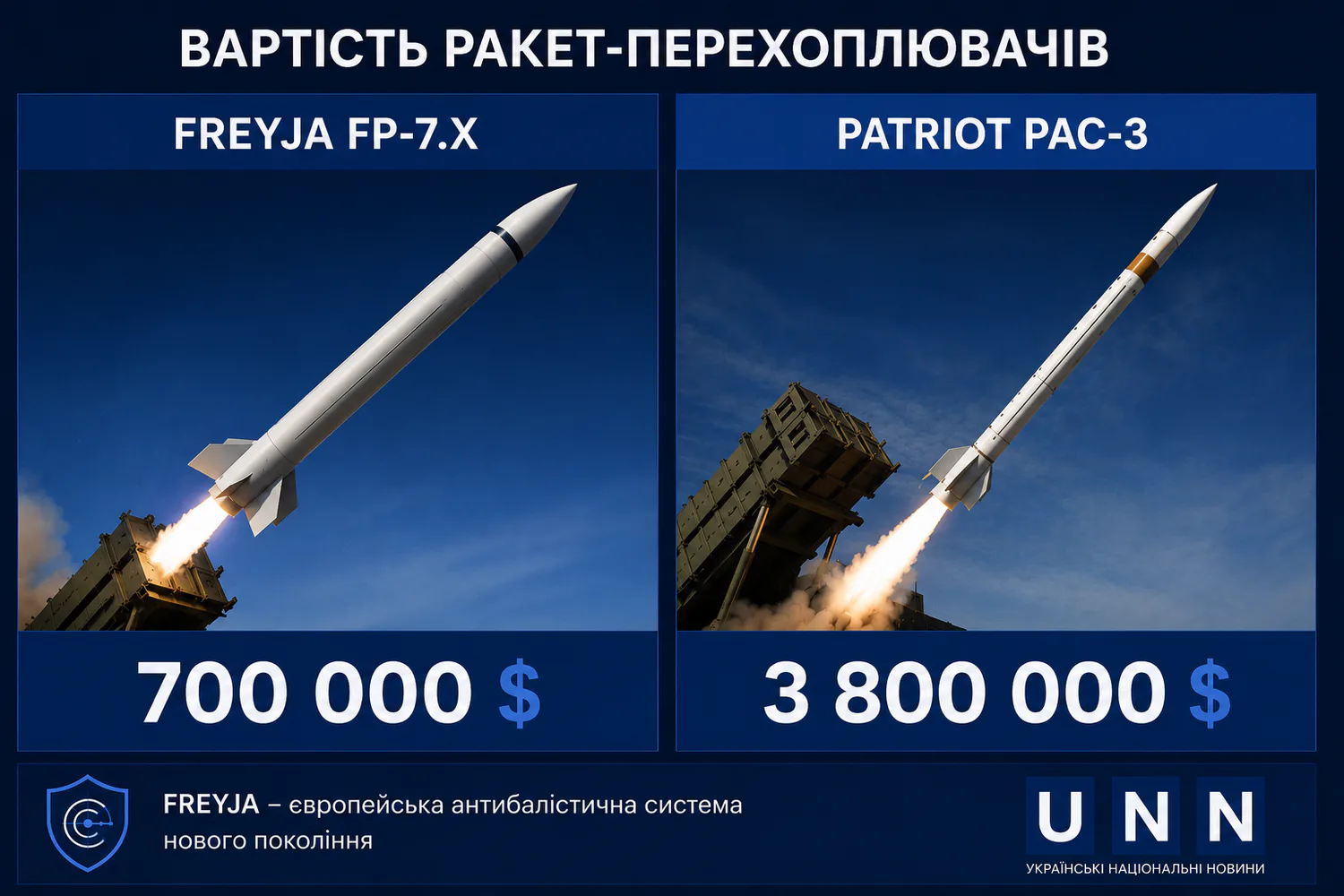
It is known that the system will be built on an open architecture and integrated via the NATO Link 16 standard. The expected cost of one interceptor missile will be about $700,000. For comparison, the cost of a missile for the American Patriot PAC-3 system is estimated at approximately $3.8 million.
The need for active work with international partners was stated earlier by President Volodymyr Zelenskyy. According to him, this week Ukraine will continue negotiations with allies on the solutions needed to guarantee security and bring peace closer.
"We will work with partners. There are things that should be done to bring peace closer. There will be an active international schedule. We very much expect a positive response from the Group of Seven regarding our requests, as well as from the participants of the 'Coalition of the Willing' (...) June and July should be productive for Ukraine, primarily for our common aspiration to guarantee security. Peace is needed," the President emphasized.
Reminder
On June 18, Ukraine and Germany signed an agreement on the development of a joint anti-ballistic program. It provides for cooperation between Ukrainian and German enterprises in the field of air and missile defense, as well as support for the development and production of modern interceptor missiles. It is known that seven German companies have already expressed interest in joining the project.