









Lviv urologists remove thermometer from woman's bladder after eight years
Kyiv • UNN
In Lviv, a woman underwent surgery to remove a mercury thermometer that had been in her bladder for eight years. The foreign body had become encrusted with stone and caused a fistula.

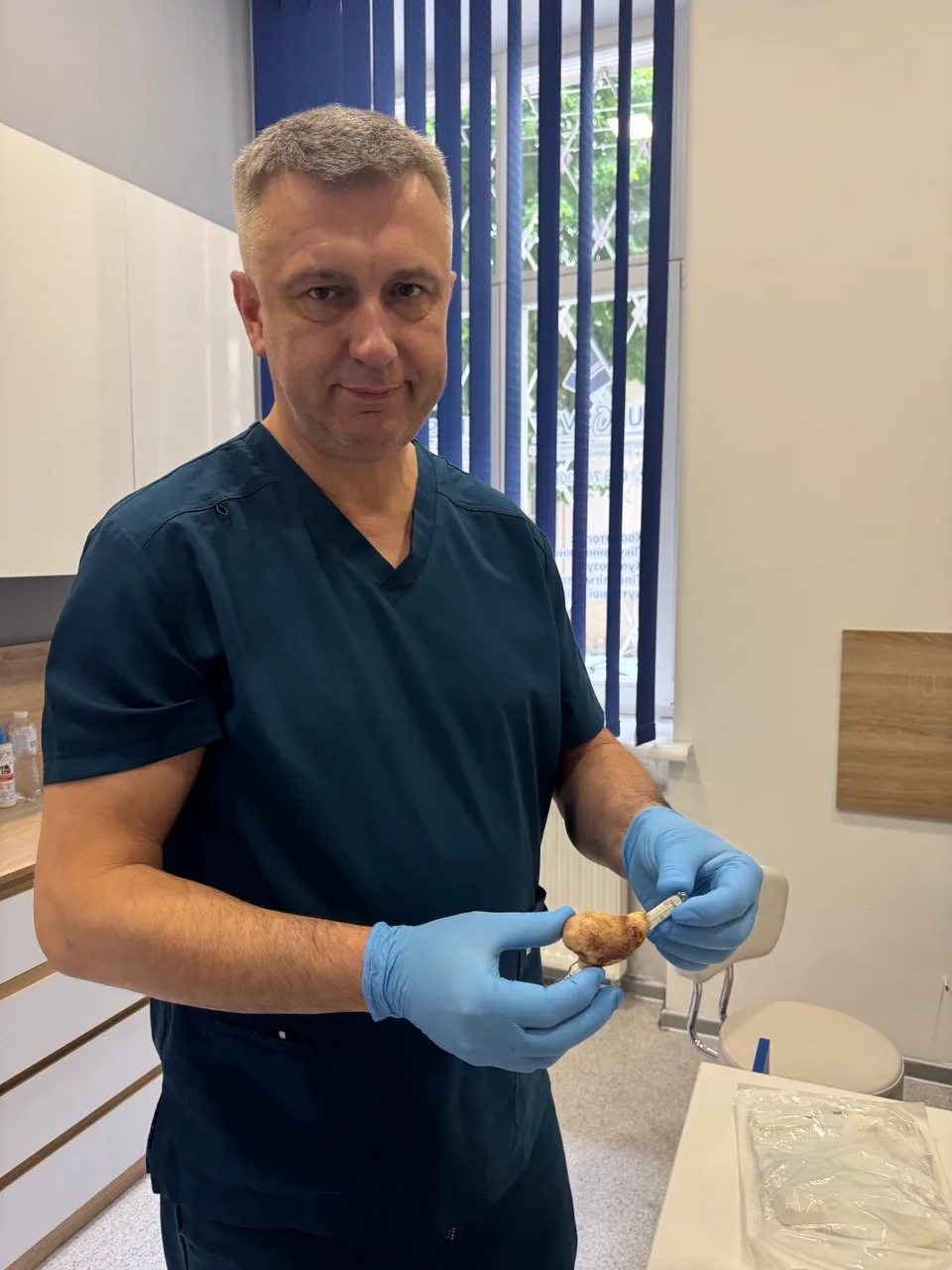
Urologists at the University Hospital of the Danylo Halytsky Lviv National Medical University removed a thermometer that had been inside the bladder of a 42-year-old patient for eight years. This was reported by UNN with reference to the hospital's press service.
Details
The woman, a resident of the Lviv region, sought medical attention complaining of lower abdominal pain, frequent urges to urinate, and urinary leakage. For privacy reasons, she requested not to disclose her identity or the cause of the condition.
"During the ultrasound examination, we saw a formation in the bladder that looked like a large stone with a rod inside. To accurately determine the nature of this formation, we referred the woman for a CT scan. It was the CT that provided a clear answer: there was a mercury thermometer in the bladder, which over the years had become completely encrusted with stone,"
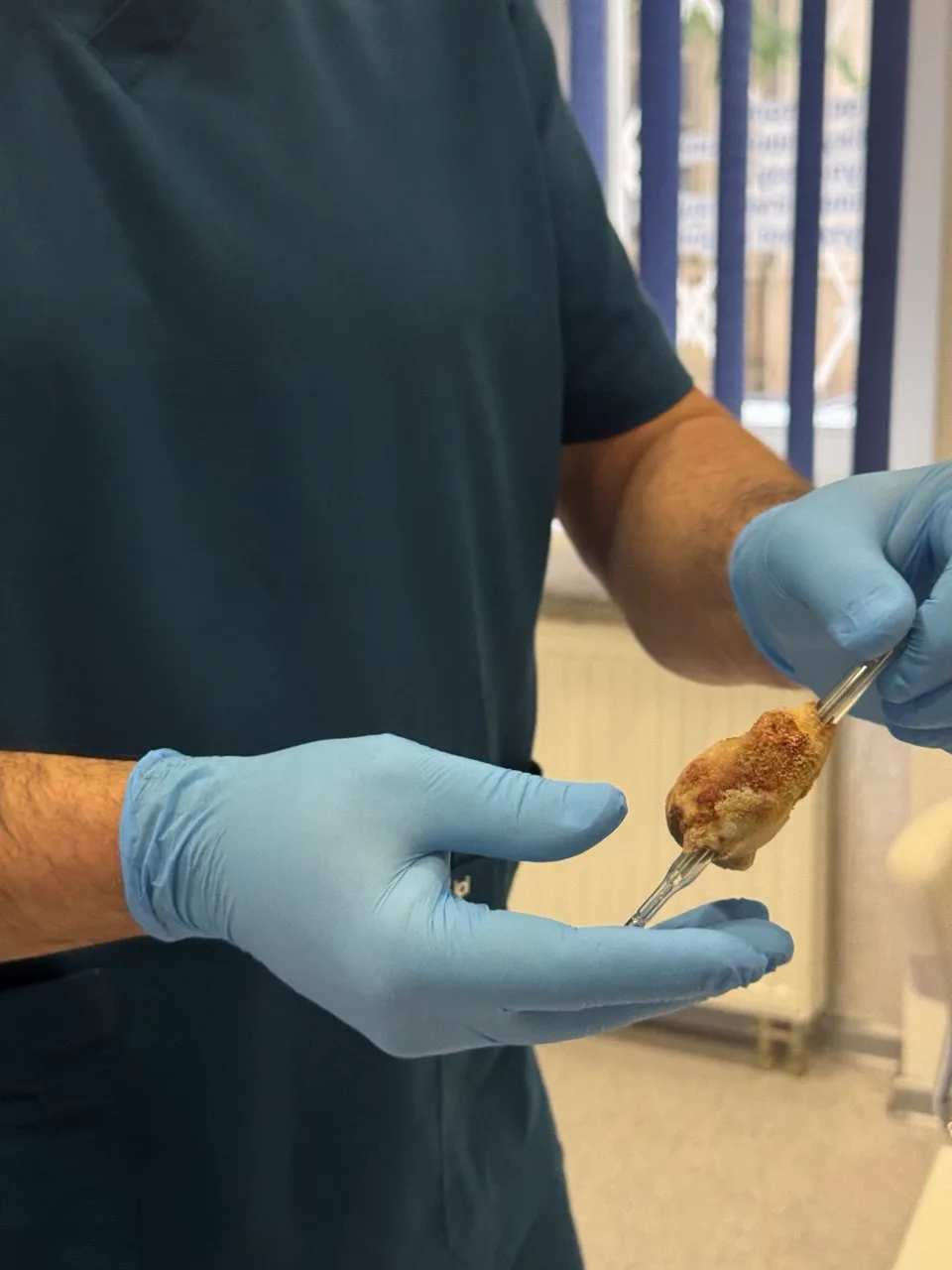
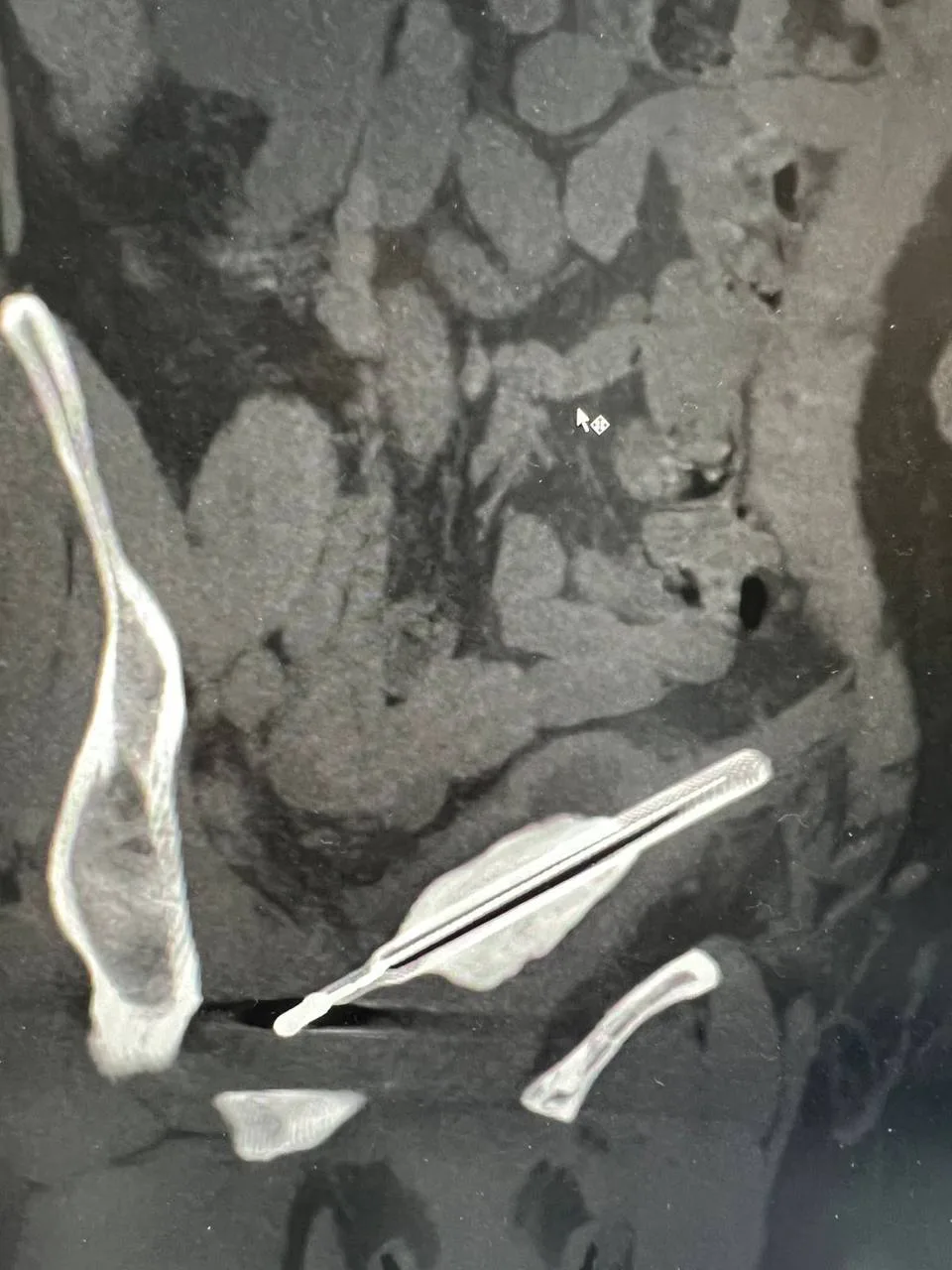
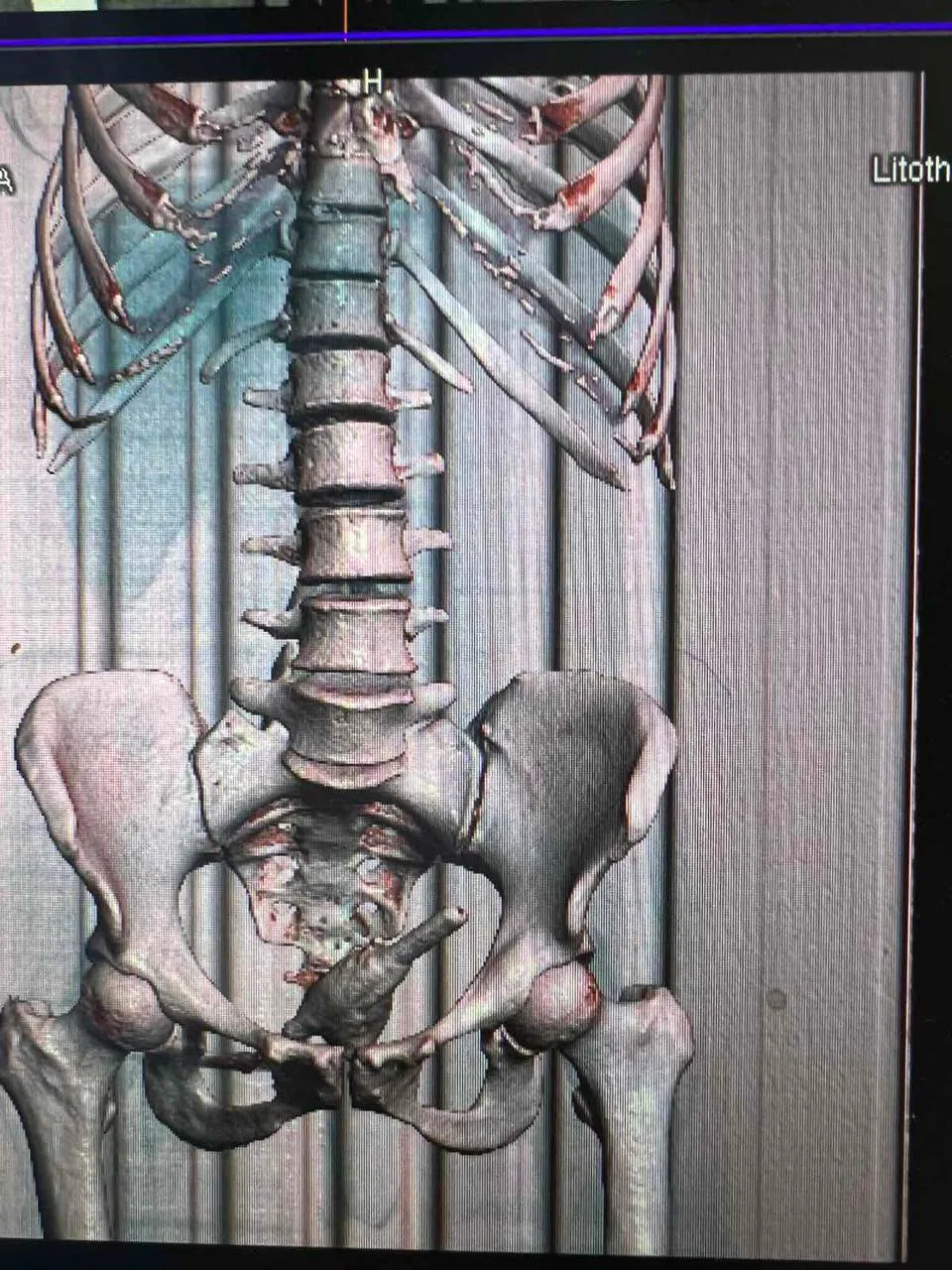
As a result, a stone formed around the foreign body. It caused a pressure sore on the bladder wall and led to the formation of a vesicovaginal fistula. Because of this, the patient requires staged surgical treatment, and her recovery will be lengthy, the hospital noted.
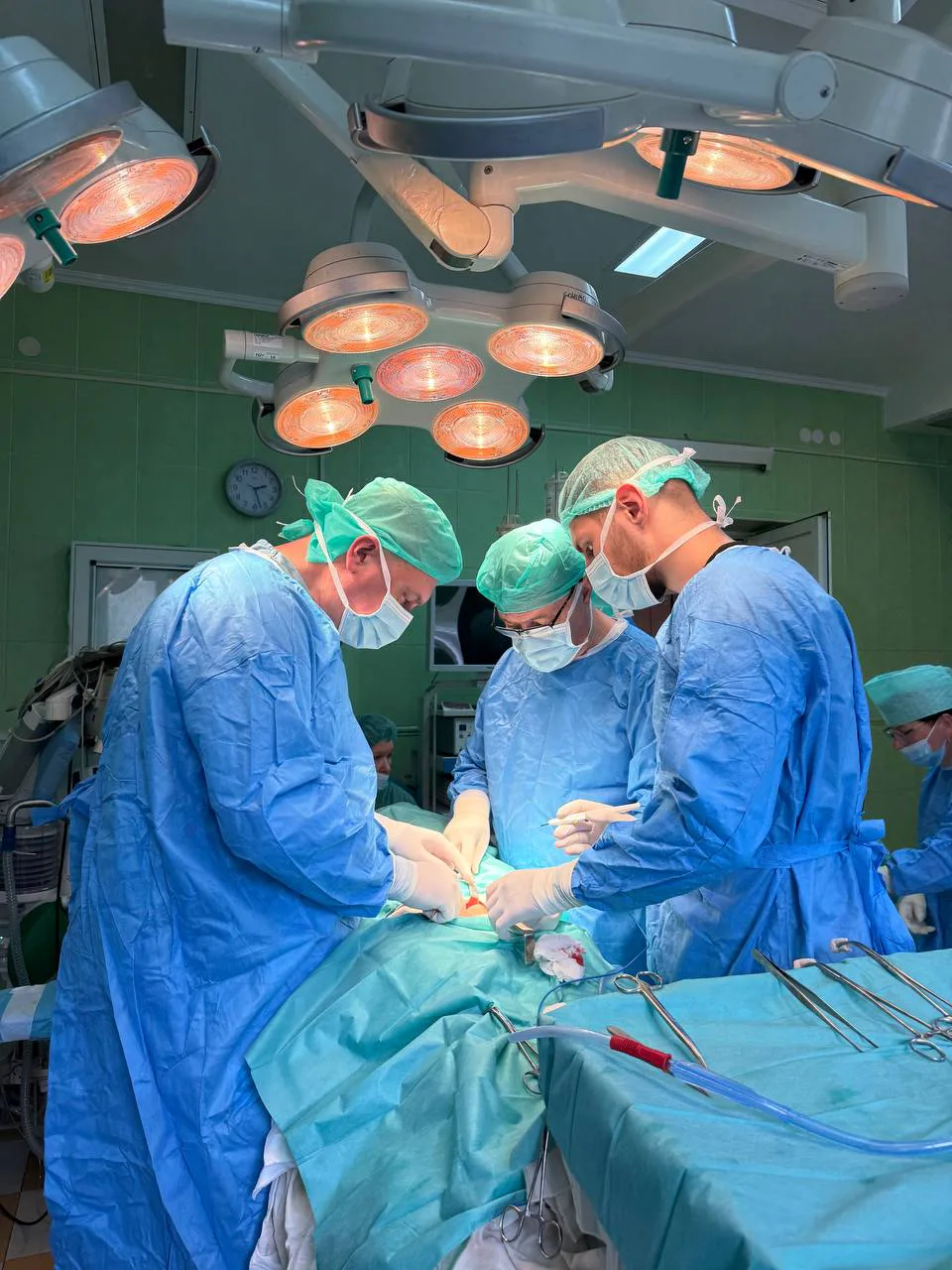
In the first stage, doctors removed the foreign body along with the stone. After the wound heals and the infectious process is eliminated, the woman will undergo reconstructive surgery to close the fistula. Specialists also noted: any foreign body in the bladder eventually leads to the formation of stones and causes chronic symptoms.
Recall
Surgeons at the Shalimov National Scientific Center of Surgery and Transplantology operated on a patient with a rare and life-threatening pathology — stones in the pancreas.